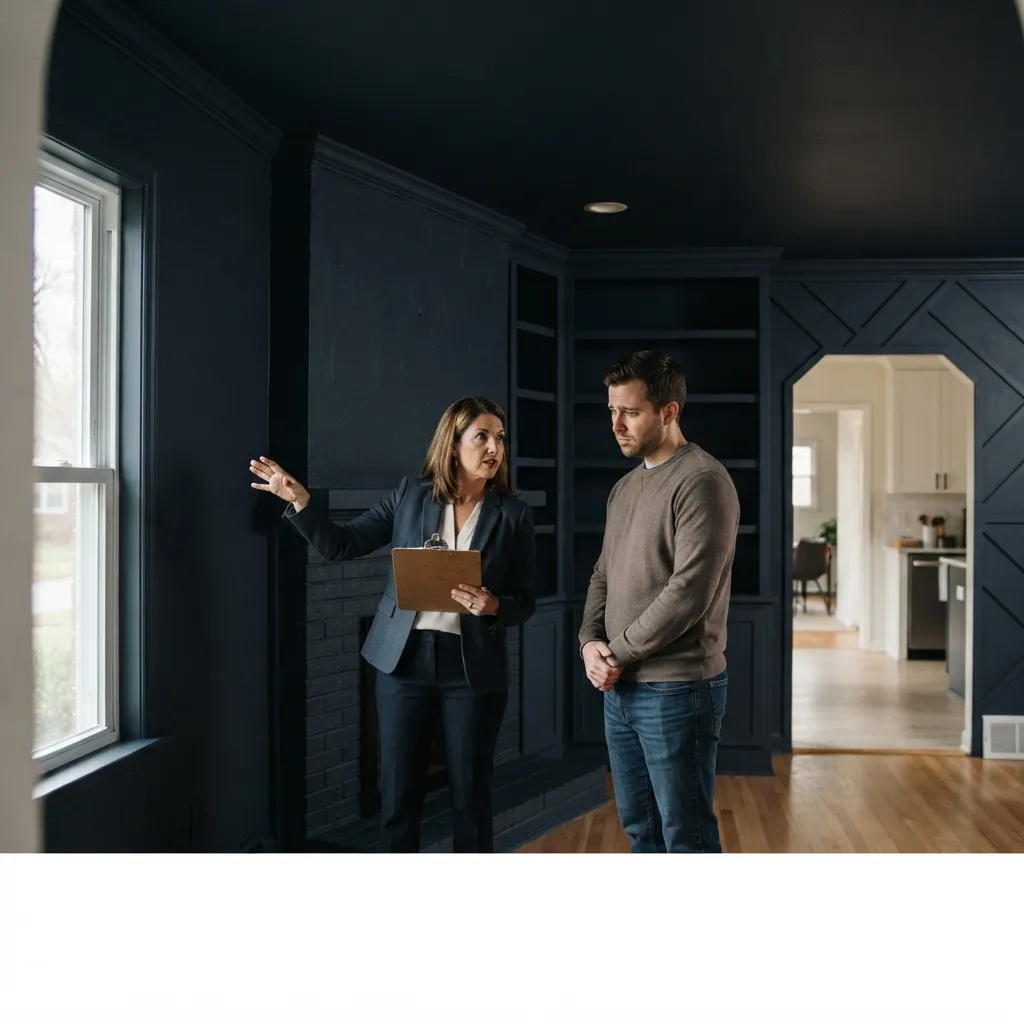
Homeowners often treat their living spaces as canvases for self expression, but according to industry veterans, today’s most viral design trends could be financial liabilities in disguise. Real estate advisors and designers warn that highly personalized aesthetics frequently translate to perceived costs for prospective buyers. When a house hits the market, elements like color drenching or intricate molding accent walls stop being artistic statements and start looking like expensive demolition projects. For many buyers, a room drenched in a bold hue isn’t a feature; it is simply a bill for several gallons of primer and two weekends of painting.
Beyond the paint palette, structural trends like fluted paneling and excessive open kitchen shelving are losing their luster. While these looks dominate social media feeds, experts suggest they can feel mass produced or impractical in person. Open shelves, in particular, often signal a lack of storage to a buyer rather than an opportunity for styling. Similarly, high tech installations such as app controlled faucets can actually detract from a home’s value because technology evolves so rapidly that yesterday’s innovation becomes tomorrow’s outdated nuisance.
To maximize resale value, professionals recommend steering clear of extreme minimalism, specifically the monochromatic beige look that has replaced millennial gray. Instead of creating a sterile environment, designers suggest layering warm neutrals with rich textures like oak or leather to maintain an inviting atmosphere without alienating tastes. The goal is to find a middle ground where the home feels curated yet flexible enough for someone else to imagine their own life within those walls. By prioritizing timeless materials over fleeting fads, homeowners can ensure their property remains appealing long after the current trend cycle ends.
