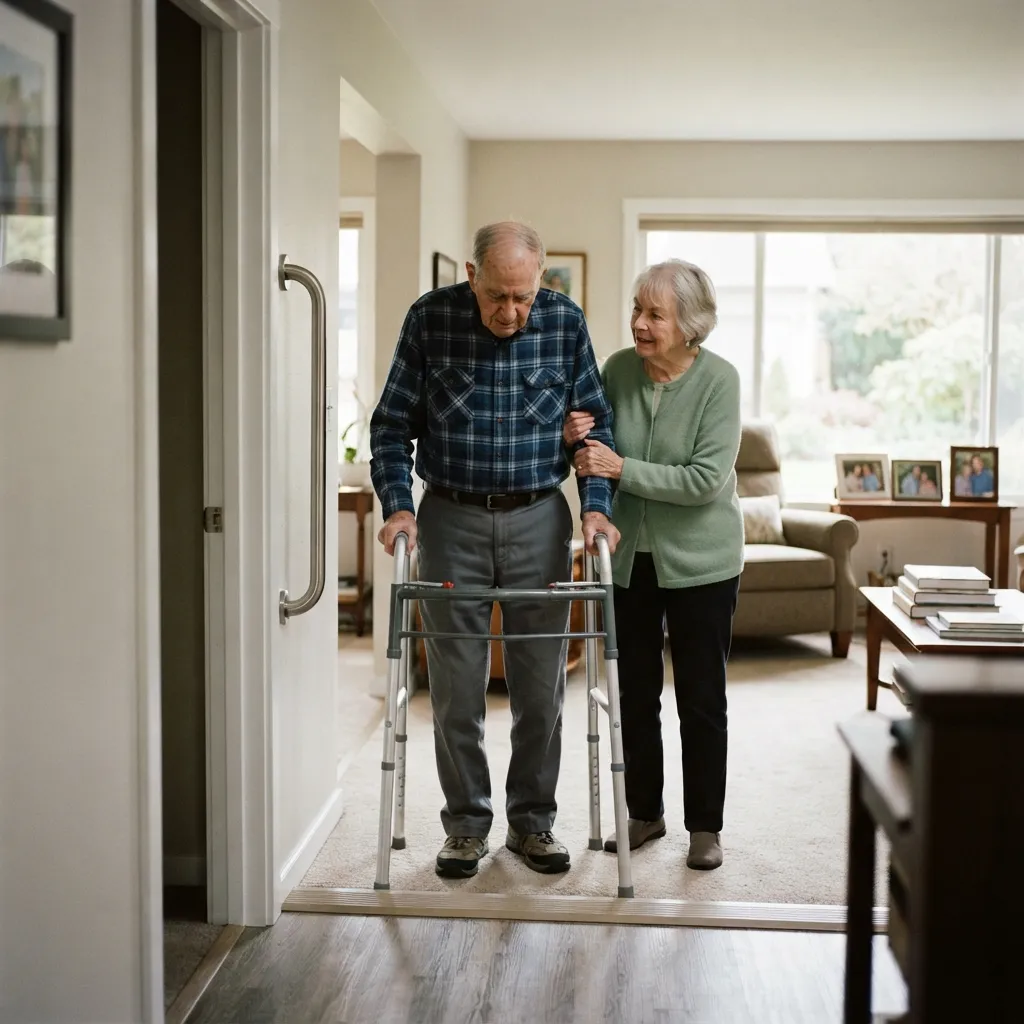
For many Americans, the dream of retirement involves waking up slowly in a familiar bedroom and spending golden years surrounded by memories. However, a significant gap exists between that desire and the reality of residential architecture. While roughly sixty percent of adults over sixty five wish to age in their own homes, many properties, particularly those built before the sixties, were not designed for declining mobility. With one in four seniors facing physical disabilities or mobility challenges, experts suggest that homeowners begin adapting their living spaces well before these needs become urgent emergencies.
The highest priority for any pre-retirement renovation should be the bathroom, which is statistically the most dangerous room for falls. Architectural psychologist Dak Kopec emphasizes that as balance fades, the tight quarters of older bathrooms become hazardous. Transitioning to curbless showers removes the risky step over a tub ledge, while simple additions like grab bars, handheld showerheads, and lever-style faucets can dramatically increase safety. Similarly, kitchens can be modified to reduce fatigue through pull-down shelving in upper cabinets and lazy Susans in lower ones, ensuring that essentials remain within reach without requiring strenuous stretching or bending.
Beyond specific rooms, the overall flow and surface of the home require scrutiny. Wide entryways and clear hallways are essential for anyone who might eventually rely on a walker or wheelchair. Flooring presents another hidden danger; loose area rugs are notorious trip hazards and can easily snag wheelchair wheels. Experts recommend eliminating non-affixed flooring and smoothing out small elevation changes between rooms with rubber or metal ramps to prevent stumbles.
Finally, homeowners should consider the vertical layout of their lives. Navigating multiple stories becomes a daunting task as agility decreases. The ideal strategy is to migrate all essential functions including the bedroom, laundry, and bath to the main floor. For those unable to relocate their primary living quarters downstairs, electric stair lifts offer a viable alternative provided they fit the user’s weight and mobility capabilities. By investing in these modifications while still healthy and employed, retirees can ensure their home remains a sanctuary rather than an obstacle course.
